(844) 5-SPEECH



Diet Modification for Individuals with Dysphagia
November 14, 2022
By: Cara Kennedy
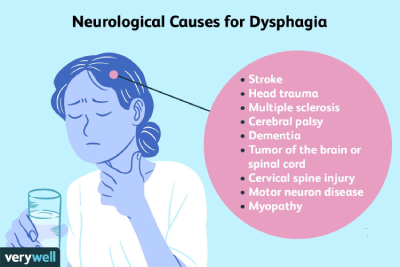
Dysphagia
- Swallowing disorder, “disturbance of bolus flow”
- “Problems involving the oral cavity, pharynx, esophagus, or gastroesophageal junction,” (ASHA, n.d.)
- More common in adults
- Various causes – – – treatment in dependent on the cause
- Main goals: decrease aspiration risk, ensure adequate nutrition/hydration, possibly strengthen muscles or improve coordination for swallowing, decrease anxiety surrounding eating/drinking
- If not treated: can cause malnutrition, dehydration, aspiration pneumonia, or death
- Of patients who aspirate, approximately 38% develop aspiration pneumonia
Diet Modification– International Dysphagia Diet Standardization Initiative (IDDSI)
- Created in 2013
- “Providing a common terminology for describing food textures and drink thicknesses to improve safety for individuals with swallowing difficulties,” (IDDSI, 2019)
- 8 levels (0-7) to describe food textures and drink thicknesses
Advantages of Thickening Liquids
- “Reduces aspiration risk & helps prevent common complications” (dehydration, PNA, etc)
- Can reduce fear/anxiety associated with choking
- Thicker viscosity liquids are slower in movement
- Quicker movement can “increase risk of airway invasion” especially for individuals with poor manipulation of the bolus, poor airway closure, etc.
- Allows more time for airway closure
- More cohesive (thin liquids have the capacity to stretch)
- “May be helpful in cases where thin liquids are refluxed into the nasal cavity” with an otherwise adequate swallow mechanism
Disadvantages to Thickening Liquids
- Using thickeners: not everyone will know how to use them effectively
- “Thickening agents may cause side effects such as constipation, gassiness, or loose stools’” (Intermountain Healthcare, 2020)
- Thicker viscosities- can be harder to manipulate orally and propel
- May increase oral or pharyngeal residue
- Can aspirate residue from overflow
- We do not know what happens to reside if it is not cleared during the FEES or MBS
- Can result in “airway invasion” post-swallow
- May increase oral or pharyngeal residue
- Could possibly lead to dehydration
- Reduced Quality of Life
- Taste
- Size of portion
- Activities that surround eating/drinking can become less enjoyable
- Outpatient vs. Inpatient treatment
Inpatients are easily managed on their modified diets, but outpatients may no longer be following it
- Can aspirate saliva
- Less saliva, swallowing less, “use it or lose it”
- Water protocol group and thickened liquid group
- 2 weeks later…
- No on diagnosed with pneumonia
- Water protocol group- increased hydration status
- Thickened Liquid group- decreased hydration status and higher rates of UTI
Recent News
Did What You Hear Make Sense?
March 3, 2025

The Importance of Early Intervention
January 27, 2025

How Parents Can Support Everyday Language Building
January 20, 2025

The Benefits of Support Groups for Adolescents Who Stutter
January 13, 2025

3 Common Misconceptions About Autism Spectrum Disorder (ASD)
January 6, 2025

What are Core Words?
December 30, 2024