(844) 5-SPEECH



resource
Blog

03.2.2016
Will the use of an AAC device hinder speech development?
According to the American Speech-Language Hearing Association, an augmentative and alternative communication (AAC) device serves as an alternate mean of communication used to supplement or replace speech in individuals who are unable to communicate effectively. AAC devices may be utilized for children with autism who present with significant speech or language difficulties or adults whose speech is no longer functional
Read Article
02.24.2016
Toys for Expanding Language
As SLPs, we are frequently asked by parents, “what can I do at home to help foster my child’s speech and language development?” There are numerous ways to help expand speech and language development in young children, and toys are definitely one of them. Children typically learn best during play, as it is the most natural context for them. The
Read Article
02.18.2016
Fun with Sensory Play
It is commonly known that children diagnosed with autism spectrum disorder and/or sensory integration dysfunction disorder have difficulty processing incoming sensory stimuli. However, the truth is that all children need guidance about how to explore their senses. From the time of birth, children begin to discover the world around them via their senses by putting toys in their mouth, making
Read Article
02.11.2016
Dysphagia: Causes, Symptoms, & Treatments
What is Dysphagia? Dysphagia is the medical term for difficulty swallowing, derived from the Greek word “phagein” meaning “to eat.” One in every 17 people will develop a form of dysphagia at some point in their life. It can be caused by the following: stroke/acquired brain injury, spinal cord injury, degenerative diseases, Alzheimer’s disease, cancer, head/neck injury, decayed/missing teeth, and
Read Article
02.5.2016
What is Aphasia?
Aphasia is an acquired communication disorder resulting from an injury to the brain, primarily to the left hemisphere. Aphasia affects 1 in every 250 Americans. Aphasia is most commonly caused by stroke; however, it can also result from disease or damage to the language centers of the brain including: traumatic brain injury, brain tumor, or progressive neurological disease. The severity
Read Article
01.27.2016
Tips to Stay on Track! Ways to build your memory skills
Are you or a loved one having a difficult time remembering important items, facts, or events? Here are some helpful hints to help you stay on task, stay organized and keep your memory skills sharp! The most common cause of memory loss is acquired brain injury (TBI) such as stroke or head injury. It is important to note that children
Read Article
01.19.2016
Fun with Straws to Eliminate a Lateral Lisp
Does your child lateralize any of the following sounds? /s/, /z/, /ch/, /sh/, /j/? The main issue with a lateralized lisp is the sides of the tongue may not be high or tense enough in the mouth. Therefore, airflow during speech production comes out the sides of the oral cavity, rather than midline. Cut off approximately 2 inches of a
Read Article
01.9.2016
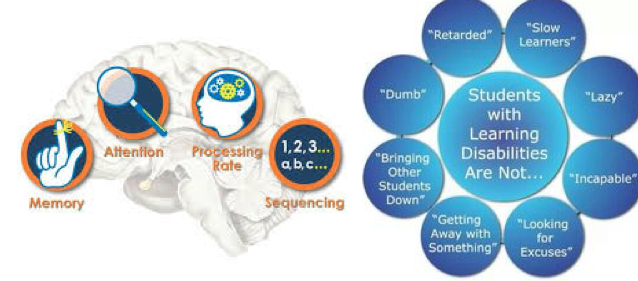
What is a language-based learning disability?
Language-based learning disabilities are deficits with age- appropriate reading, spelling, and/or writing. This disorder is not about how smart a person is. Most individuals diagnosed with learning disabilities have average to superior intelligence. Signs of a language learning disability: Difficulties with….. Expressing ideas clearly, as if the words needed are on the tip of the tongue but won’t come out.
Read Article